Un-alived
When did we stop being able to say what we mean about the worst things that happen to us?
It turns out that what I have to say is heavy, the kind of thing we shy away from, but maybe we need to talk about more. I find myself struggling in an overly sanitized culture where we do not even say “killed” or “death.” We say things like “un-alived,” or “un-housed” instead of homeless. We sweep the reality of life under the rug to show you only what we want you to see: “shiny happy people,” plastics. And hey, I like to smile, too. I’d rather laugh than cry, and I love to hear about your victories. I love when you’re doing well in life, whoever you are. But I want to hear something real. I’ve been hesitant to write this because I’m plastic, too.
Somewhere on this journey, the words went internal, and they stayed there, smoldering. This is just my recounting of what it was like, what happened, and what it’s like now. There are no villains and no heroes; I stopped keeping score a long time ago. This book is my memoir. Not necessarily a stream-of-consciousness recounting of events, but told the way memory works, or at least the way my memory works. It’s not in clean chronological order, nor with all the answers, but in fragments and flashes of brutal honesty that have not been easy to put on paper or say out loud. – Fragmented: The Crossroads of Trauma, Addiction, and Recovery
Trending
As with most things, I do not think we ended up here through malice. I think we forgot how to be uncomfortable. We forgot how to be uncomfortable because looking at the world through a phone screen has killed empathy.
I think we have created a false sense of connection, and quietly, in the process, we have killed empathy. We have flanked it with digital indifference and dulled our senses so we no longer look for the cues that empathy is warranted or needed. – Has the internet made the world a better place?
It has sharpened our discomfort reflex because it’s easy to recoil when no one is watching you, when you do not have to make eye contact. This razing of the English language only shields the reader, but it marginalizes the victim.
Being handed sanitized language for your own catastrophe makes you feel like your experience is too much, impolite, in need of editing. It robs you of your voice, because that voice is angry and uncomfortable, and it should be. It’s okay to be angry. It’s part of the process.
Sometimes it’s not overt censorship. Sometimes it’s statements like “well, I didn’t want to tell you because of what you’ve been through.” Now you’re left feeling more alone, isolated, because you’ve been deemed unacceptable to confide in. Not because you’re untrustworthy, but because it makes someone else uncomfortable.
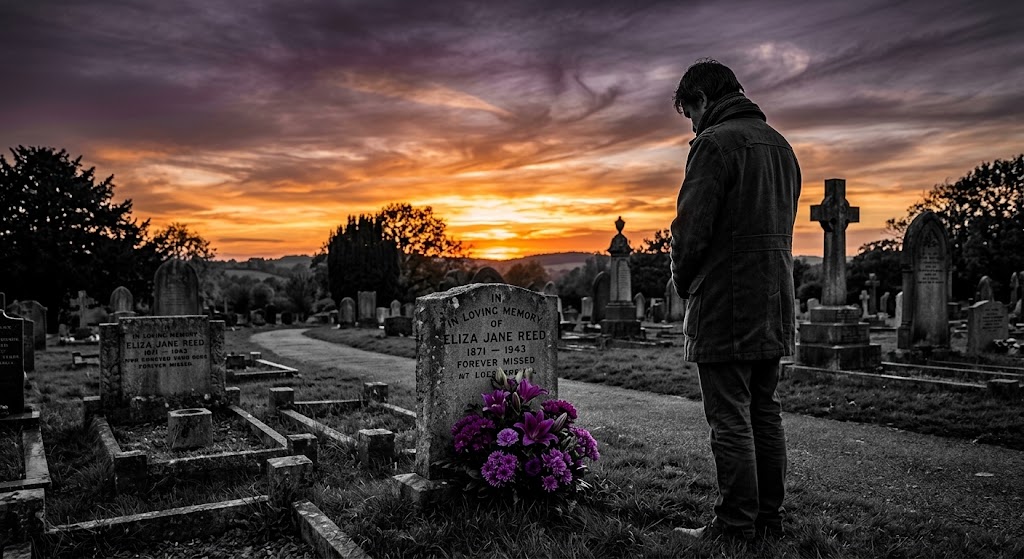
Please do not misunderstand me. There is a time and place for all things, and we can have a whole other conversation on decorum. I’m not advocating saying the hard thing for its shock value. I am, however, saying that calling things what they are is the more respectful approach. I’ve been homeless, and I have to tell you, unhoused is as offensive as it is dumb. And I’ve been the one left behind after someone was murdered. She was not un-alived. She was murdered, and I’ll say it that way for the rest of my life. I will not cheapen her memory to spare someone’s feelings.
Read Next
The Digital Diatribe runs on black coffee, hopes, and dreams. Unfortunately, keeping the lights on also costs actual money. If you like what you read and feel like buying me a coffee, I’d appreciate it. No pressure.
Want to know when the next post goes live? Subscribe for notifications. Subscribing is always free.
Leave a Reply